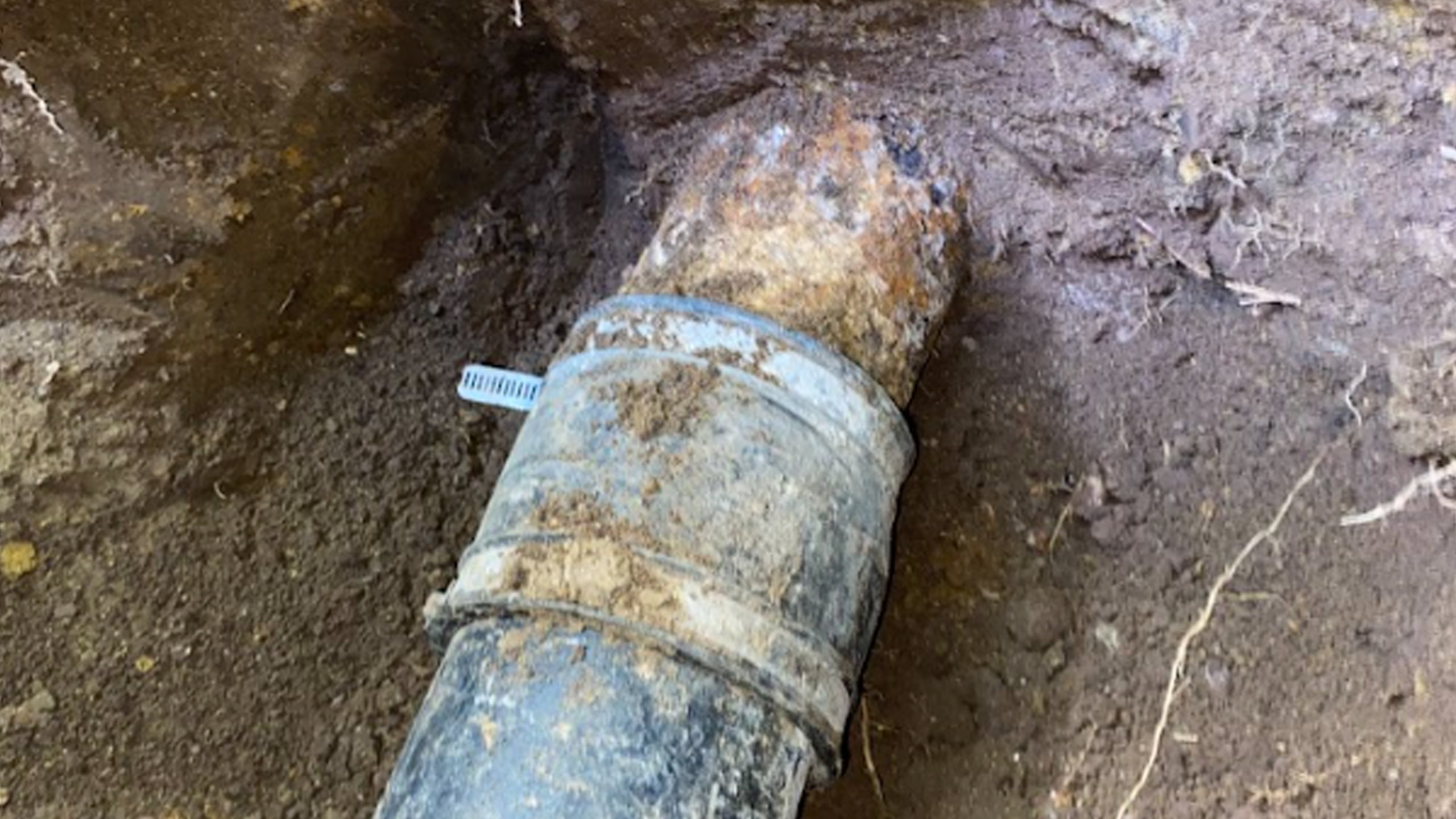
If you’ve been dealing with low water pressure, discolored water, or pipes that seem to leak more often than they should, the problem might not be a single bad pipe. It might be all of them.
Repiping — replacing the entire water supply system in a home or building — sounds like a big undertaking. And it is. But for many properties in the Los Angeles area, it’s also the most cost-effective long-term fix available. This guide covers what repiping involves, when it makes sense, and what to expect from the process.
What Is Repiping?
Repiping replaces your existing water supply lines with new pipe material throughout the entire property. This is different from a spot repair, where a plumber fixes one section of pipe. A full repipe addresses the system as a whole.
The most common material used today is PEX (cross-linked polyethylene), which is flexible, durable, and resistant to the kind of corrosion that causes older galvanized and copper systems to fail. Some projects use copper, depending on local code requirements and customer preference.
Signs You May Need to Repipe
No single symptom tells the whole story, but these are the clearest signals that your plumbing system is failing rather than just aging:
- Persistent low water pressure throughout the property, not just one fixture
- Rust-colored or brownish water, especially when first turning on a tap
- Recurring leaks in different locations over a short period of time
- Pipes that are visibly corroded, pinholed, or show mineral buildup
- A home or building built before 1970 with original galvanized steel pipes still in place
For residential homeowners, a failing pipe system also affects home value. Buyers and inspectors notice it. For property managers and building owners, deteriorating plumbing creates liability exposure and ongoing maintenance costs that compound over time.
Galvanized Pipe: Why It Fails
Much of the older housing stock across Los Angeles, Anaheim, and surrounding communities was built with galvanized steel pipe. At the time, it was the standard. The problem is that galvanized pipe corrodes from the inside out. As the zinc coating breaks down, rust and mineral deposits accumulate inside the pipe, restricting flow and weakening the walls. By the time leaks appear, the pipe has typically been degrading for years.
Copper pipe has a longer lifespan, but it’s not immune. Older copper systems can develop pinhole leaks driven by water chemistry, high pressure, or simple age. Once pinhole leaks start appearing in multiple locations, a full repipe is almost always more economical than continued repairs.
What the Repiping Process Looks Like
A professional repipe is a structured project, not an emergency call. Here’s what the process typically involves:
- Assessment. A plumber inspects the current system to confirm repiping is the right solution and to scope the work accurately.
- Scheduling. Most residential repipes are completed in one to two days. Multi-unit or commercial properties take longer, and phasing can be coordinated to minimize disruption.
- Installation. New supply lines are run throughout the property. Some drywall access is typically required, though experienced crews keep this to a minimum.
- Inspection and patching. The new system is pressure-tested and inspected. Drywall patching is completed as part of the job.
- Restoration of water service. The home or building is back to full water service, with a system that should perform reliably for decades.
Residential vs. Commercial Repiping
The fundamentals are the same, but the scope and coordination requirements differ significantly.
For homeowners, the primary concerns are disruption, cost, and long-term reliability. Most residential repipes are straightforward enough to complete while the family remains in the home, with water shut off only during active work hours.
For property managers and building owners, the calculus includes tenant communication, phased scheduling, and building permits. A repipe on a multi-unit property requires more planning, but it eliminates a category of recurring maintenance cost and substantially reduces the risk of water damage claims.
How Much Does Repiping Cost?
Cost varies based on the size of the property, the pipe material selected, accessibility, and local permitting requirements. A single-family home in the Los Angeles area generally falls in a range that, spread over the lifespan of a PEX or copper system, represents a fraction of the ongoing cost of repeated repairs and water damage remediation.
The better question for most property owners isn’t whether they can afford to repipe. It’s whether they can afford to keep patching a system that’s failing.
Why It Matters to Get This Right
Repiping is not a job to shop on price alone. The quality of the installation determines how the system performs for the next 30 to 50 years. That means proper sizing, correct materials, compliant permitting, and pressure testing before the walls close up.
A-1 Total Service Plumbing handles residential and commercial repipes across Los Angeles, La Habra, and Anaheim. If you’re seeing the signs of a failing system, the right first step is an honest assessment — not a sales pitch.
